Yoko Taro on Why NieR: Automata Protagonist 2B Wears High Heels: “I Just Really Like Girls”
Yoko Taro on Why NieR: Automata Protagonist 2B Wears High Heels: “I Just Really Like Girls”
So there have been a range of reactions to this, ranging from people celebrating that there is finally an auteur who can be honest about their decisions (rather than assuring us of the validity of breathing through one’s skin) to groans about how unsurprising given Taro’s last game (full size):
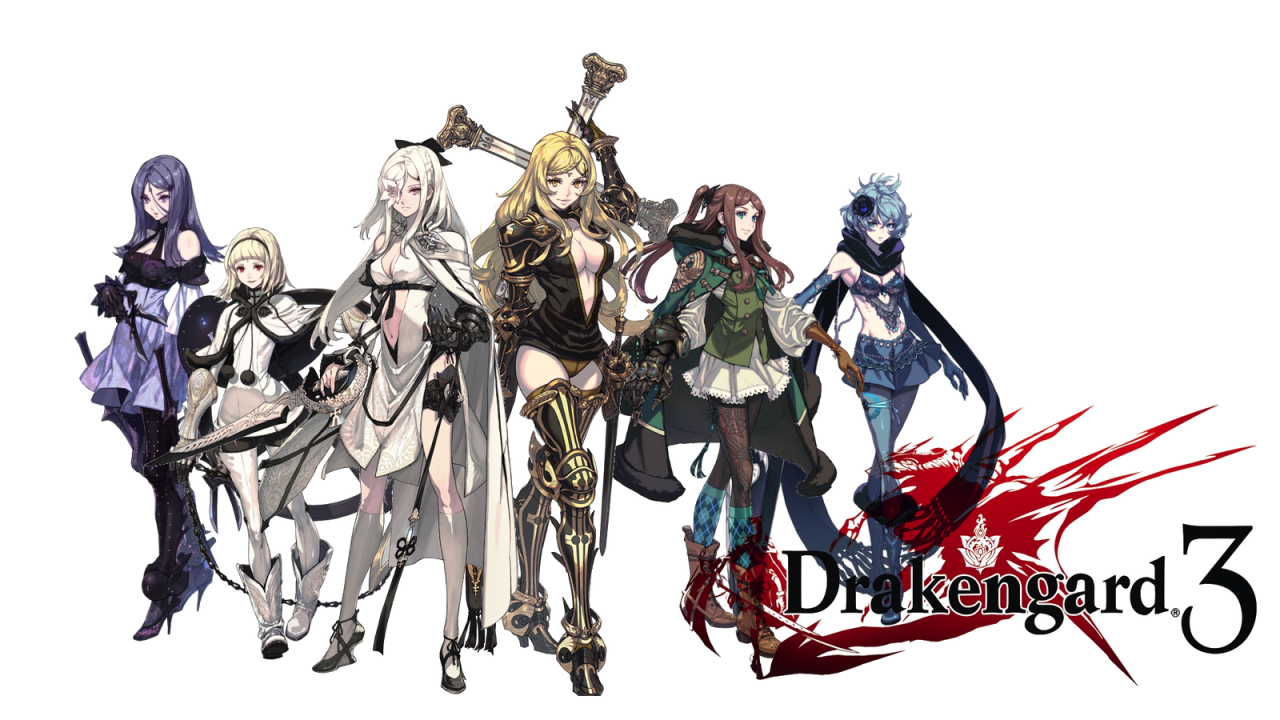
But really, this misses the larger conversation: In a medium where the people who are investing millions are understandably concerned about what they’re getting, what kind of decisions get approved and what kind get blocked?
- Nilin from Remember Me was denied a boyfriend because publishers were concerned her kissing a man would weird out straight male players.
- Dishonored 2 is clearly Emily Kaldwin’s story, but you can play as Corvo because Harvey Smith and the team missed him.
- Battlefield 1′s devs were told no female soldier options (besides one character in one campaign) because boys wouldn’t like it (also because “realism”).
- The original vision for Wal was far more empowered, but got toned down
- Countless non-sense female designs get turned into sexy lady designs courtesy of Creepy Marketing Guy
Basically there are various creative decisions which will be green-lit without question (literally any excuse is good enough), but others which are dismissed or allowed a brief moment then cut down.
This is of course, why Taro’s response has been so popular with a certain demographic who are generally desperately searching for any sort of support for their sense of entitlement.
The fantasy that these decisions are just a whim of the creator are akin to the idea that if people don’t like it, they can just go make their own.
– wincenworks
While refreshing honesty about what you’re selling is always preferable to nonsensical excuses (like the distraction bonus or the character agency), “I just really like girls” still is not a valid answer to anything else than a question regarding one’s sexual/romantic preference.
For such a short sentence, it also carries a lot of unfortunate subtext.
- Like the implication that sexualizing female characters is okay, as long as you admit to liking girls/women, as if creator’s sexuality made any difference in this context.
- Which also suggests that attraction to girls naturally leads to perpetuating female objectification, even though numerous creative people who are into women somehow manage to make projects without it.
- Or just the fact that justifying a very generically sexy female design with “liking girls” in general implies that she represents all girls/women, despite the fact that most women look nothing like her.
So yeah, pretending that artist’s personal preference is somehow a priority in a big commercial project, like a mainstream video game is a myth. “Unrestrained creative freedom” usually applies only to things believed to sell best.
~Ozzie
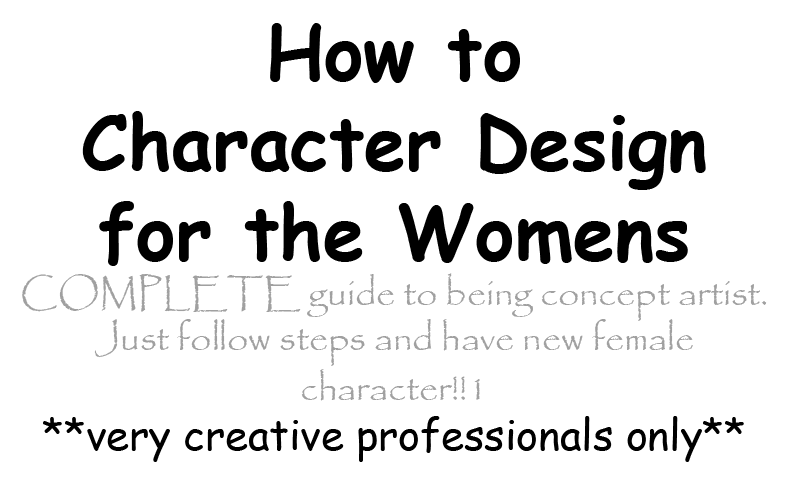


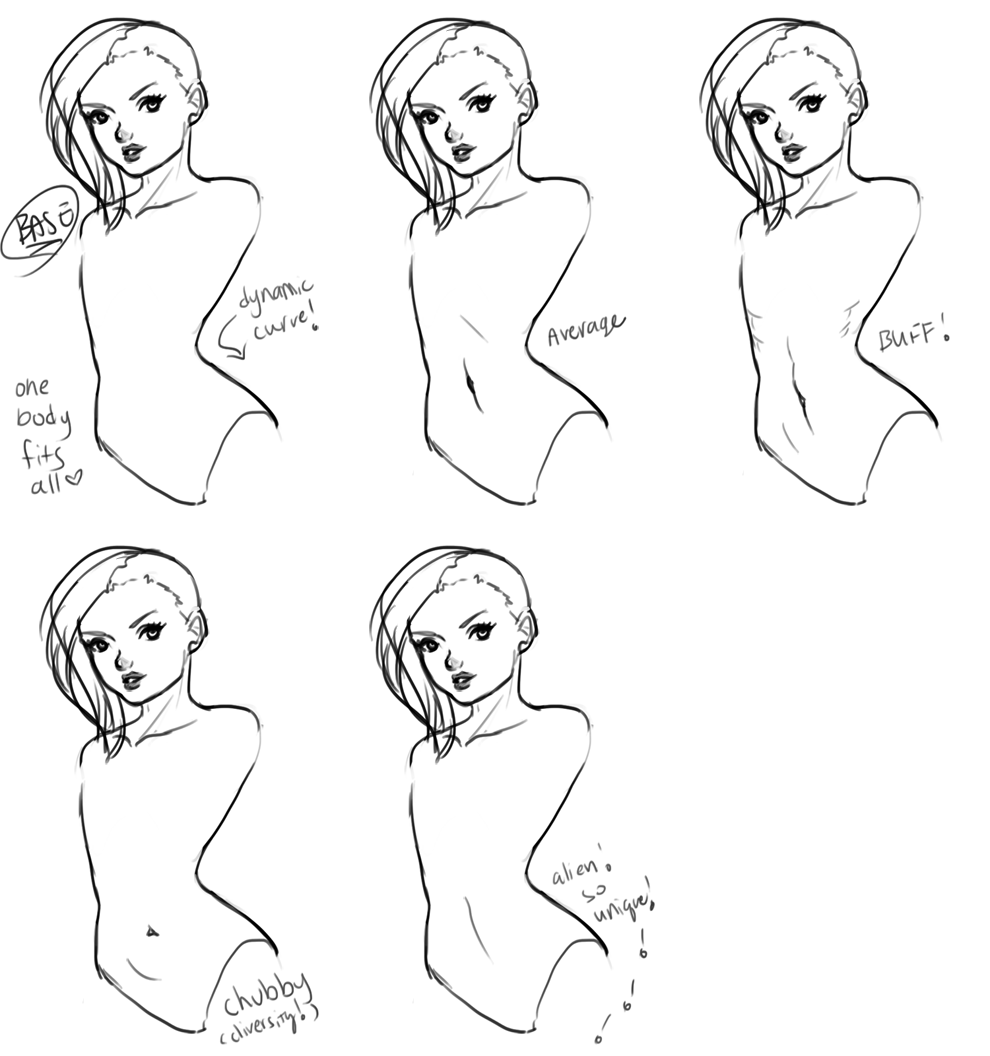
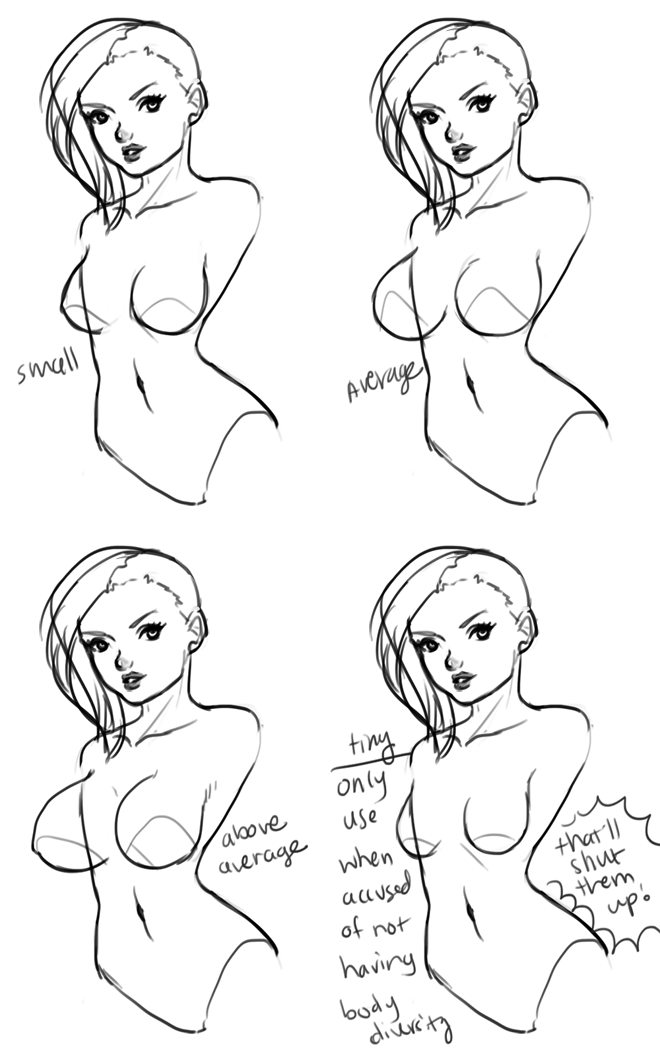


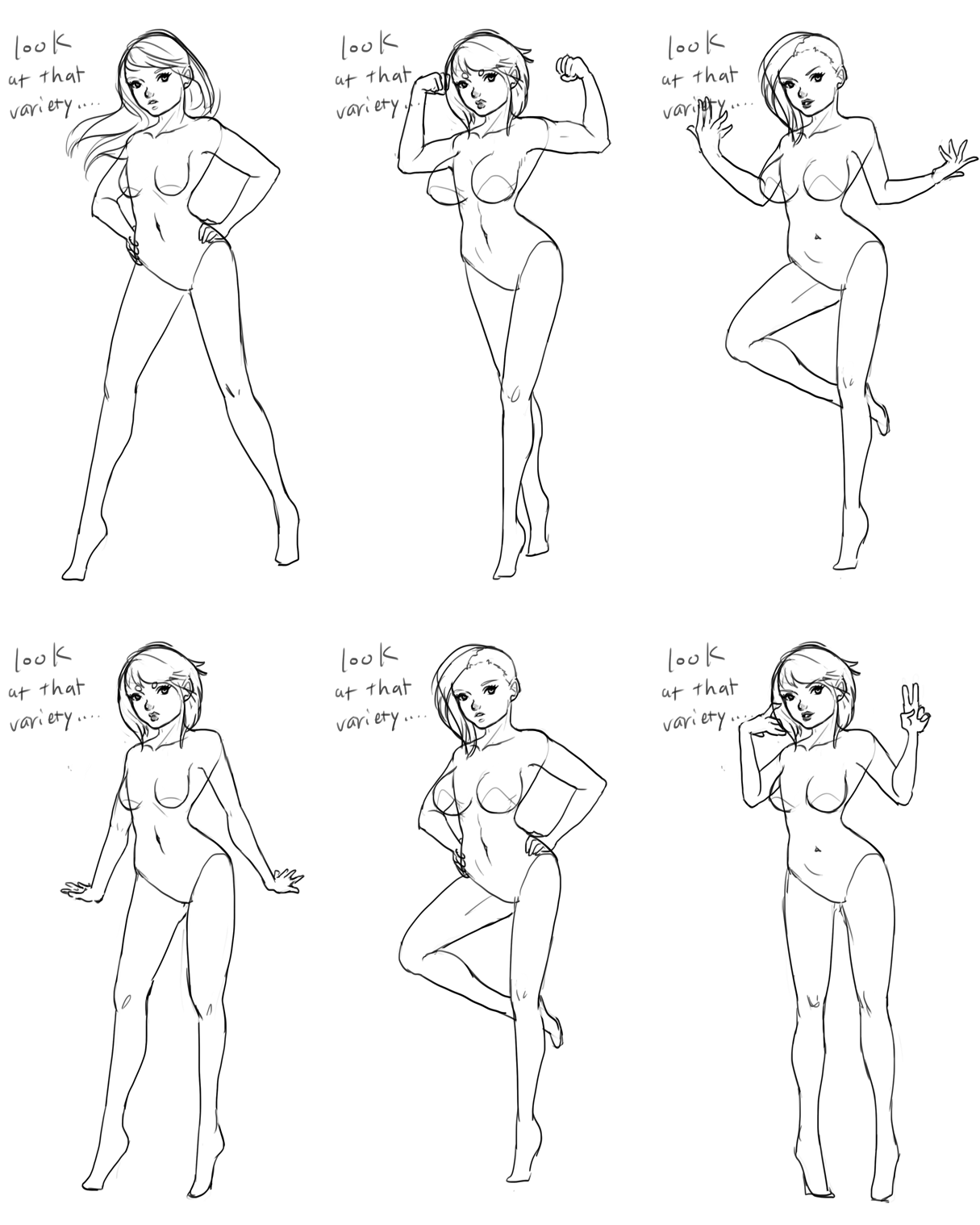

I could do this all day
She will fit into your favorite moba game very good character garanteedEdit: Holy shit it’s a joke please stop tagging this as reference/helpful/wow so good please stop using this as reference please stop thinking this is your goal please stop holy crap holy cRAP
You need to seriously re-evaluate yourself if you believe the incredibly narrow and offensive things in these gifs oMgGG
Everything about it is so painfully accurate, but the “Pick ≤ 3” part is my favorite one for the purposes of this blog.
~Ozzie
I love how pasties are the only essential chestware and how the actual high heels are not “necessary” just so long as her shoes maintain the same shape as if there were heels there.
– wincenworks
edit: Added the author’s later commentary, just to make it clear that no-one’s supposed to take this “tutorial” seriously. ~Ozzie

Because the subject of “just let the artist do whatever they like/want!” comes up regularly and far too many people are confused about what is wrong about nearly every female character looking next-to-identical, even within one game with a big cast*, this week’s throwback is the guide to the “creative” process behind designing women in media AND their costumes (bikini armor or otherwise) by the invaluable @shattered-earth.
And just for the record, this gifset is still a joke. Please do not take it as legitimate art advice!
~Ozzie
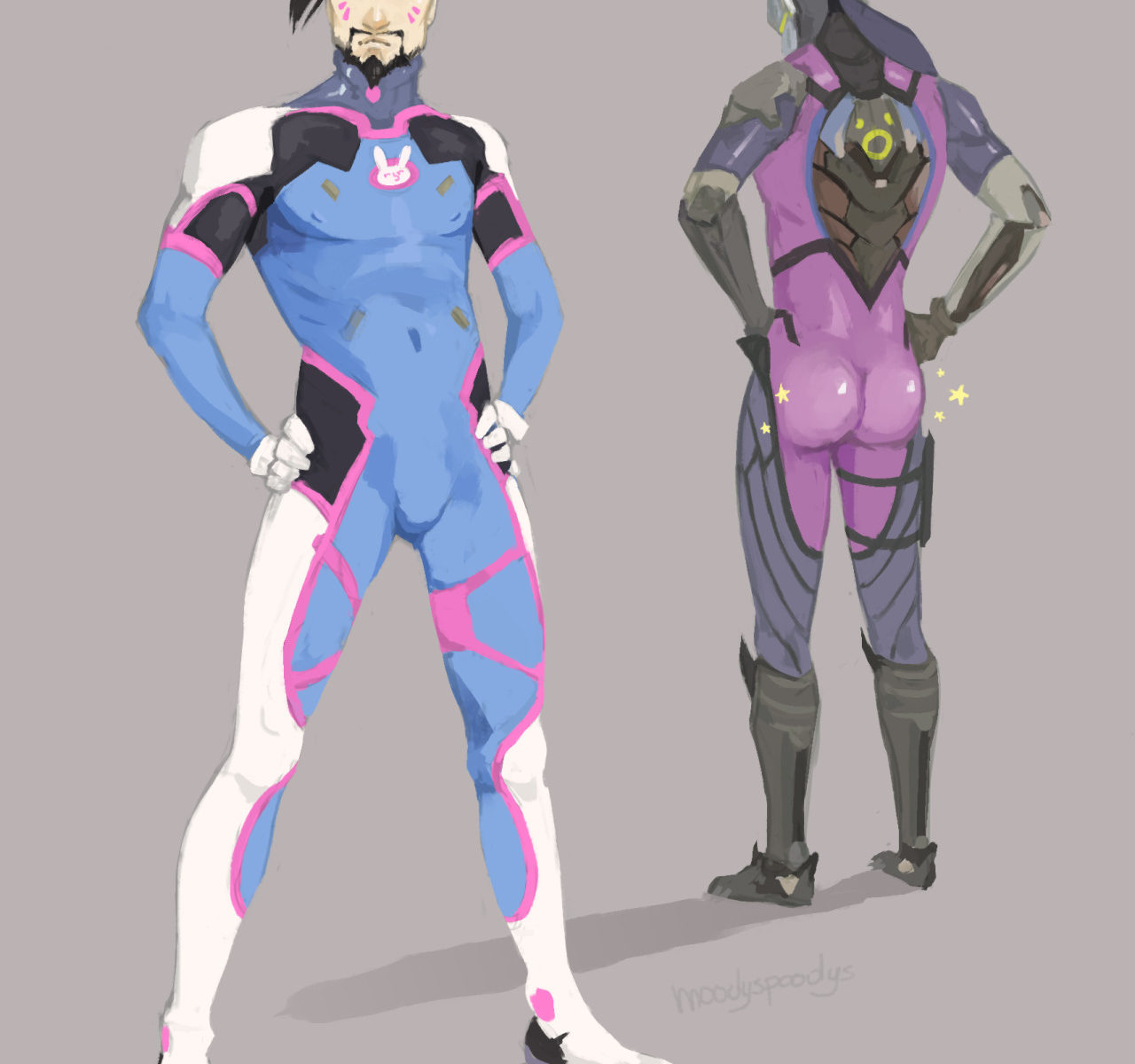
*See the problem illustrated and discussed for: League of Legends | Overwatch | SMITE
For Honor & signalling
So there has been a lot of talk that For Honor is a perfect example of how to do female armor. Perhaps the best part about disagreeing with this was it meant a bunch of people who follow for unhelpful reasons ended up agreeing with their nemesis, Kotaku, but the second best part is it let me talk about design and signalling.
Disclaimer
For the people rushing to point out that in 50% of the classes the designs are mostly identical across genders and I agree that’s a pretty good. We also tag For Honor as a positive example.
However, that doesn’t mean it doesn’t have flaws and that it’s better to talk about them rather than just rubberstamp it as flawless.
Also I feel it’s important to point out that there’s literally nothing in For Honor that suggests that historical accuracy was even faintly a priority. The designs are mishmash of various elements of history and fantasy based off what the developers thought looked cool. Therefore any arguments about obscure theories in history or archaic standards are pretty much irrelevant.
– wincenworks
Default and Deviation from Default
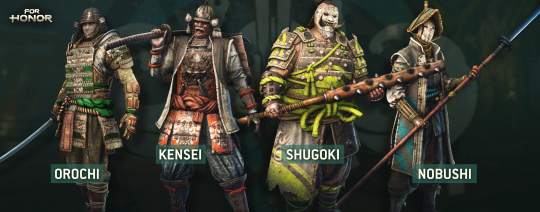
As Lindsay Ellis pointed out in her Smurfette Principle video, media has a long obsession with presenting men as the Default and women as the Deviation from Default. You can see this pretty clearly if you assess the Samurai outfits and look for trends.
The classes available male samurai have:
- Expressive masks (2 with helmets, 1 with a decorative topknot)
- High profile breastplates
- Skirt/fauld plating
The female only class has:
- A blank mask with a generic reed hat
- A robe folded to remind you there’s cleavage underneath
- No plating around the waist (just the shoulders)
This visual language immediately tells the audience that the Nobushi (a term invented for the game) exists outside the Samurai standard classes, one of these things is not like the others, one of these things just doesn’t belong.
This is also evident when you look at the female raider that her outfit was originally designed with only a male character:
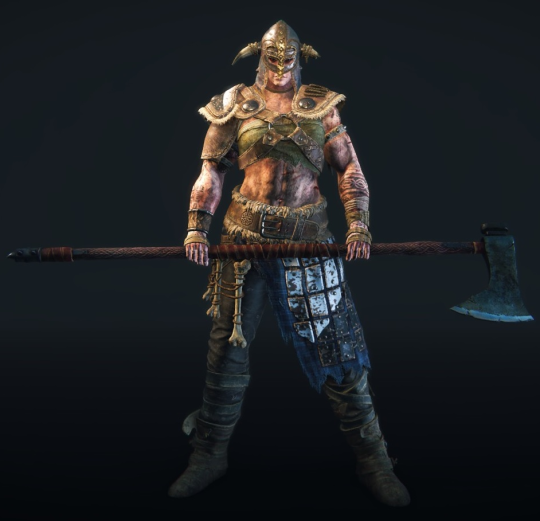
Now, there is an argument going around that this shows they couldn’t have bare breasts because too many vendors would have issues with that, and that this outfit is better than a gold bikini top – that is true.
However, Ubisoft knew that they wouldn’t be able to show bare female breasts from the start – so really what this showcases is that they didn’t consider female characters until they got to a point where their best solution was “just glue some fabric over them” (good luck being impressed by her pecs).
Design Priorities
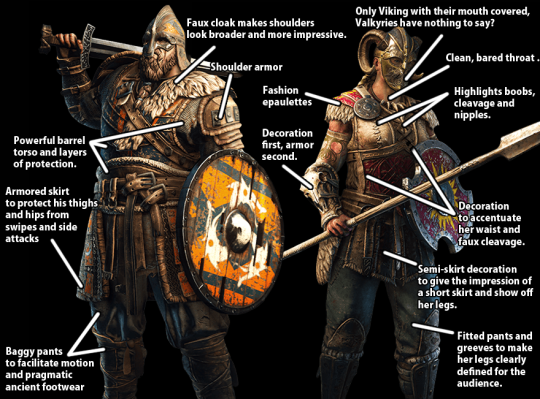
So every faction has two classes that are available to all genders, one male class and one female class. The general trend is that the male class will fit a conventional warrior mode and the female class will be a designed with a different set of priorities in mind, in the Vikings this is particularly obvious when you consider the Valkyries:
This is also particularly prevalent in the Knights when you consider that their core class (the Wardens) get their armor talked up in a cutscene – making their layered metal armor a defining trait. Knights love their formidable steel armor so much they put steel armor in their steel armor.
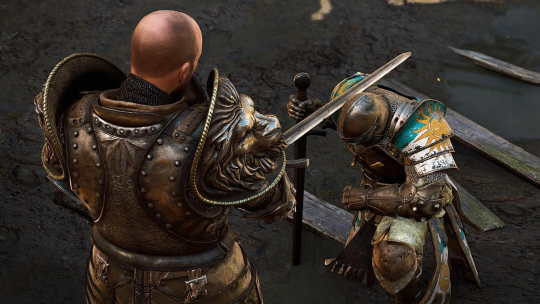
Except for the ladies-only Peacekeepers who only seem to use steel for their masks, greeves and the pushup bras to ensure they have a rounded bust under their organic armor.
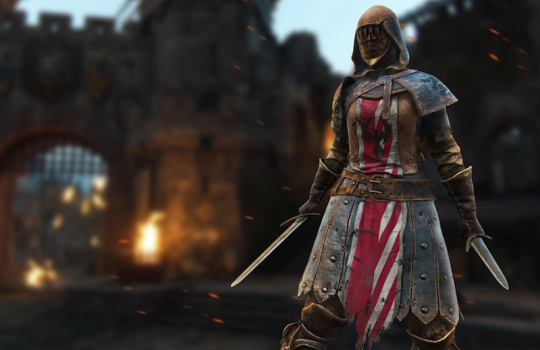
Now, if you think this is being picky I assure you that this is generous compared to what would be expected of any professional art director. And Ubisoft is a massive AAA studio who expects those assets to look realistic in HD.
You vs The World
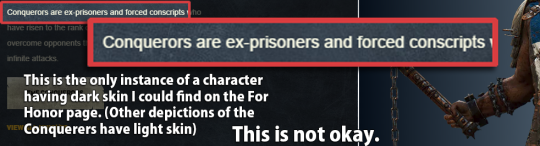
So, with those six classes where you can pick your gender, and the option to change your skin tone (in the classes where you will get to see skin) are still held up as a fix for many of the issues. (In the same way people proposed that Saints Row 4 fixed everything with letting you create a wide range of characters then recreate your character at any point).
The problem with this is if you look at everything For Honor pitches at the world it promotes that the default hero in this game is a light skinned man in a world of light skinned men with a few light skinned women.
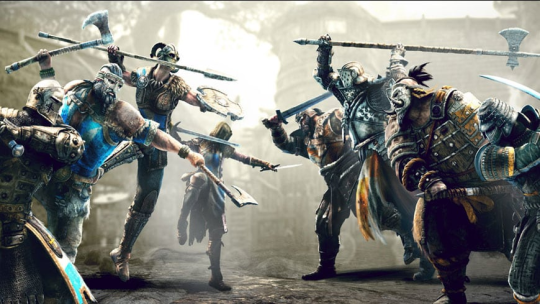
What this means is any time you select a woman in the classes where that is an option, or you change the skin tone of your character to something distinctly darker – your choice is the not an act of selecting your place in the game’s world, rather it’s an act of individual rebellion: using the mechanics of the game to oppose the fluff of the game. (Not entirely unlike when you make an impossibly ugly PC in games with conventional character creators and offer a variety of conventionally attractive faces as default, or may a virtuous hero throw bottles at random people).
Conclusion
Ultimately what this means is that while For Honor allows a wide variety of people to represent themselves (cosmetically) in the game, it’s still not signalling to the world that is actually “for everyone”
Rather, it’s signalling that it’s primarily for light skinned cis men, secondly for light skinned cis women and then has options for people of color with brown skin. The reason it’s getting so much celebration is because this is, sadly, a lot more consideration than is generally given.
For Honor, like Overwatch, is not being celebrated because it has exception equitable designs (particularly compared to say Dark Souls) and inclusion – but rather because the bar for inclusion in high profile media like AAA games is so low that it should be embarrassing not to easily clear it.
– wincenworks
P.S. If you’re a giant budget developer who is planning to distribute your media to millions of people then you should also look not just to make sure you’re not just setting a default and deviation, but also that you’re not inadvertently reinforcing certain unfortunate stereotypes.
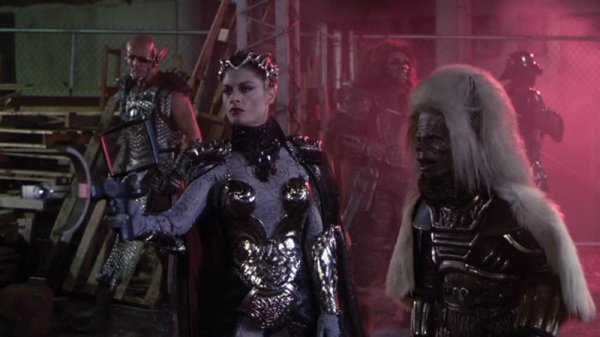
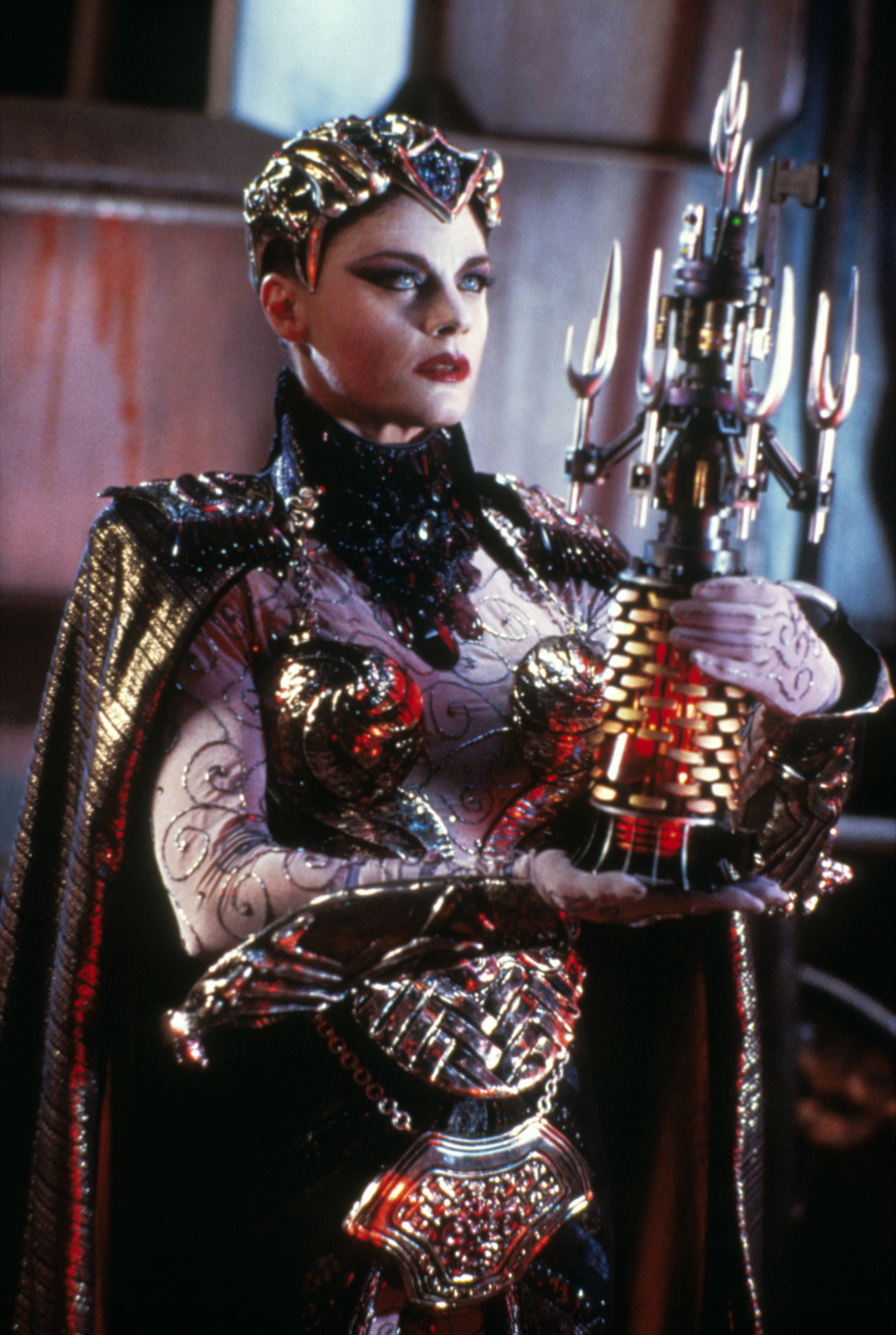

Meg Foster’s costume weighed a reported 45 lbs., and the actress sustained bruises to her groin from the breastplate she wears throughout the film. Constructed of fiberglass, Foster has said the breastplate restricted her movements a great deal, which is why Evil-Lyn is never show sitting during the film. Foster as also said that the discomfort from the costume helped inform her performance, as the weight and design of the costume forced her to puff out her chest during every take, thus generating the character’s slinky posture.
But people assure us that designs like this are totally practical for real armor…
– wincenworks
(h/t: @cubefrau – nsfw)
Today’s throwback: real-life evidence of how uncomfortable lingerie-shaped armor is.
Another amazing thing about this costume is how they went out of their way to make it look nothing like it did in the cartoon (on the right there’s redesign from 2002 reboot, for comparison).
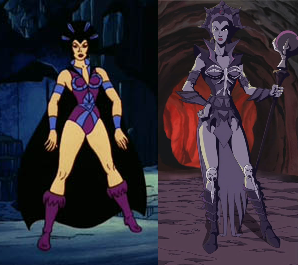
So yeah, not only was the movie character redesigned from scratch*, no-one took it as an opportunity to at least make the costume wearable for a living, breathing woman.
~Ozzie
*To be fair, basically all characters were
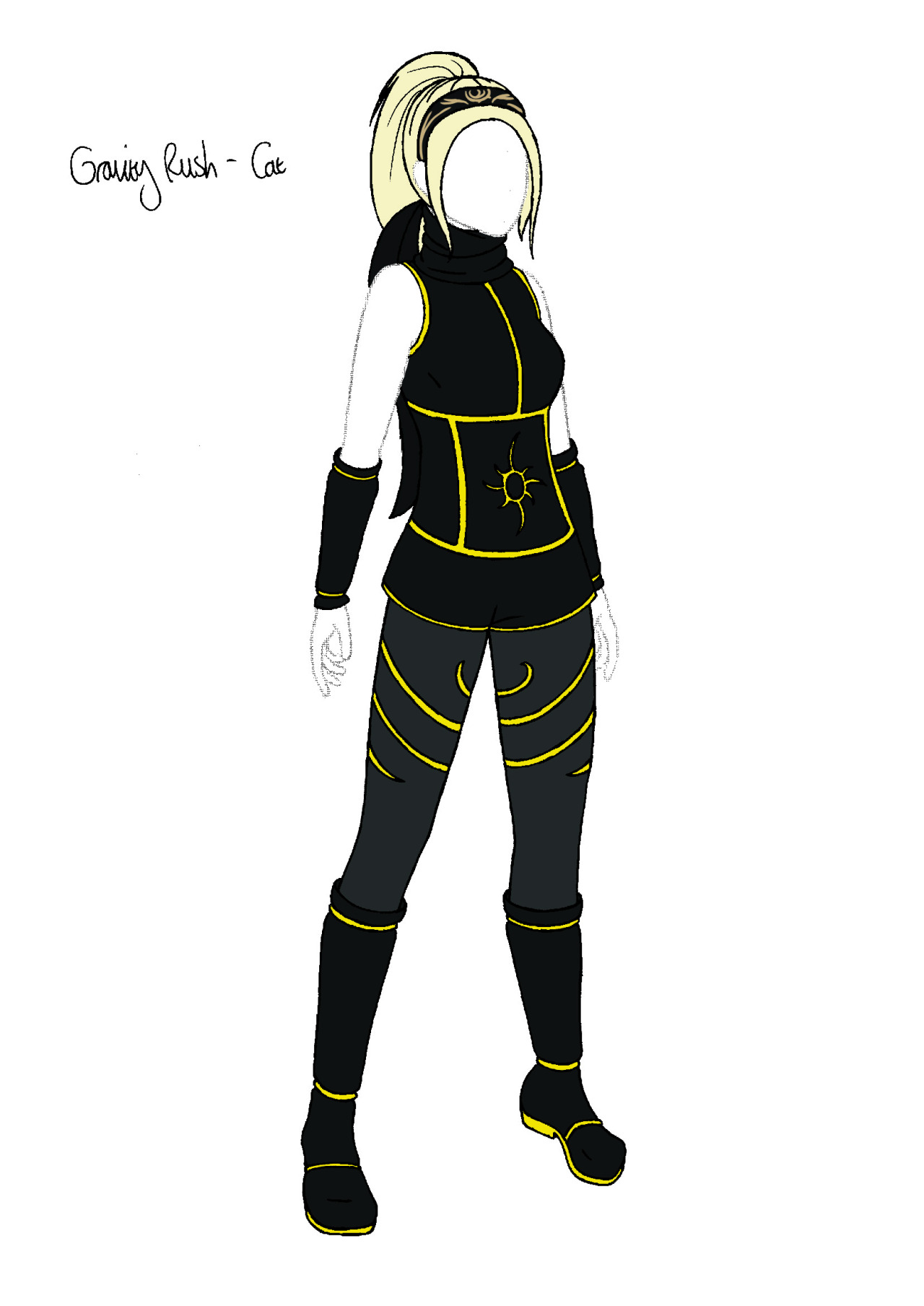
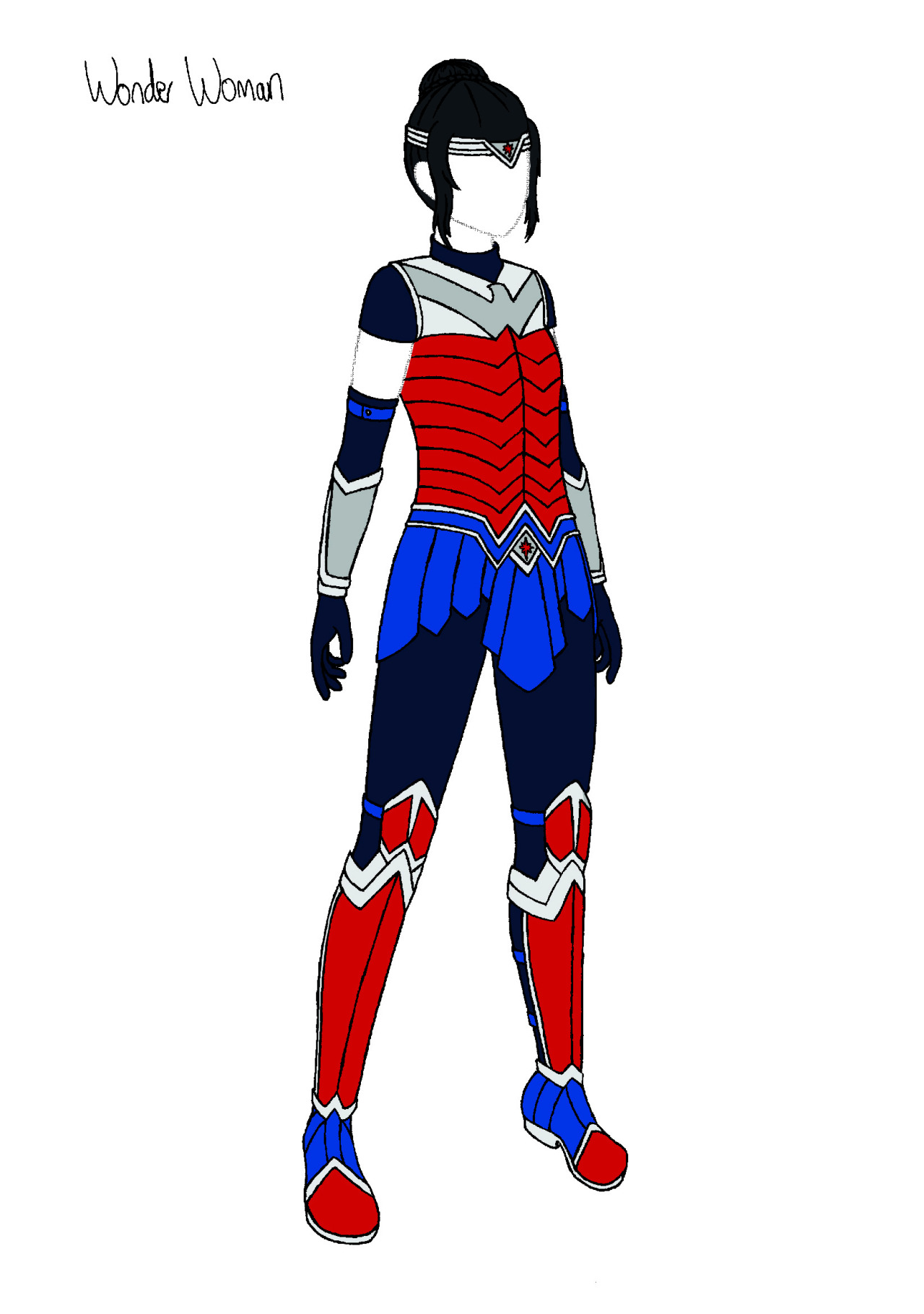
Was scrolling through @bikiniarmorbattledamage and was inspired to do a couple of redesigns. First is Cat from Gravity Rush (which I’ll confess I haven’t played and it seems kinda fun but how does that outfit even work) and second is Wonder Woman because I saw what she looks like in the movies and just thought ugh.
Sub list:
Nice job! I really like the cut of the costume you chose for Cat over the boob-swirly leotard she originally had.
Wearable redesigns are always welcome on BABD.
~Ozzie
see for comparison: Gravity Rush on BABD | Wonder Woman on BABD
A note about Female Armor Bingo Sundays
We have previously updated some bingos after they have been posted, however we will not be doing this unless there is an important reason.
Here’s why:
- Female Armor Bingo is intended as a fun way to encourage critique of popular media and thus draw attention to troubling tropes. Too much pressure to make every bingo perfect takes away the fun and derails the conversation away from the intended purpose.
- Many of the terms are deliberately vague so as to cover the many forms the trope takes and thus it can become very subjective.
Nitpicking over details again derails and also encourages the mentality that “No one can criticize you for x, provided you do y.”- When people submit bingo cards to us, they’re marking off the points they see – if they miss a point or two on a card that’s already over half full then it doesn’t really diminish from the core point: The armor is disrespectful to women in general and part of a prevalent and harmful trope.
- Sadly, Female Armor Bingo is not an empirical measuring device – we’ve had absurdly objectifying outfits that didn’t score bingos either due to technicalities or how the squares happened to be filled out. They were still objectifying and deserving ridicule.
Just like the famous Bechdel Test, the bingo is supposed to shed light on a bigger trend in popculture, not to meticulously analyze who and what “passes”.- Finding new content for the blog, checking submissions, researching and writing posts, etc. is time consuming and a much higher priority than tweaking bingos that are already entertaining and on-point.
While it’s great fun to joke about the exact score and keep a tally of the highest scoring bingos it’s not essential for every bingo to be 100% accurate and correct.
So from now on we’ll be limiting edits after posting to important and noteworthy events – like that time we discover that against all odds, Fran’s outfit was worse than we dreamed.~Ozzie & – wincenworks
As the Female Armor Bingo is nearing its third anniversary next month, it’s good time for a reminder that the game’s main goal is to help the audiences observe and point out prevailing harmful tropes of female warrior costume design. Not to narrow down definition of sexism, let alone judge which outfits are “sexist enough” to criticize based on the score.
That said, as updating the board is our unofficial yearly tradition – do you, readers, think some squares should be changed or adjusted to reflect any common design problems that aren’t addressed yet?
~Ozzie
So Fire Emblem Heroes came out
@whereismywizardhat submitted:
And I was about to complement the game’s female protag, Sharena on her design
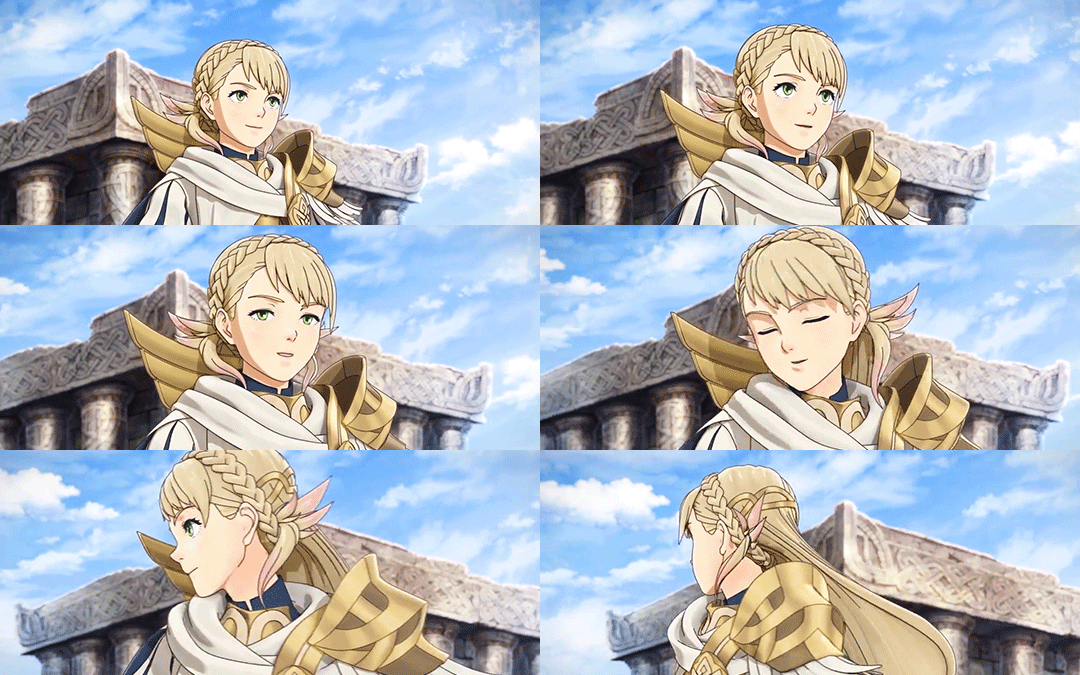
But then
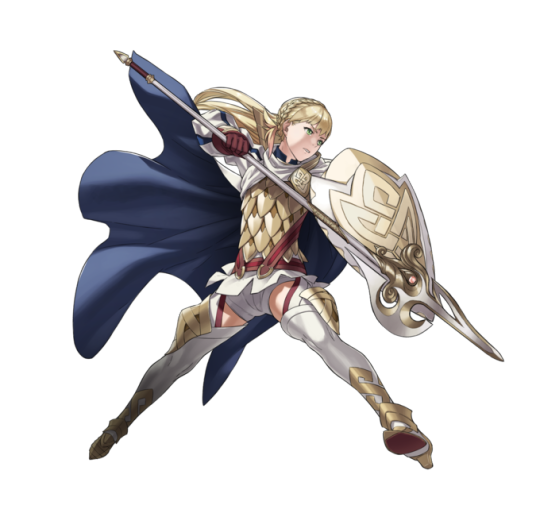
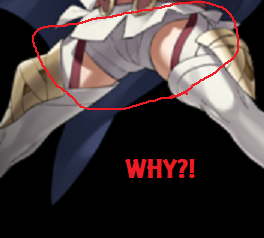
You have this awesome design that you decided to add hotpants to.
And then, the designers took a cue from Fate / Grand Order to really go there
clothing damage
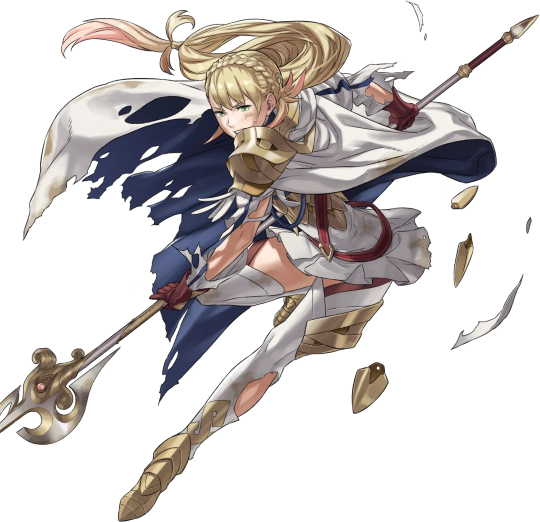
NOOOOOOOOOOOOOOOOOOOOOOOOOOOOOOOOOOO!!!!!
(for reference: This is what her brother looks like in the same uniform)
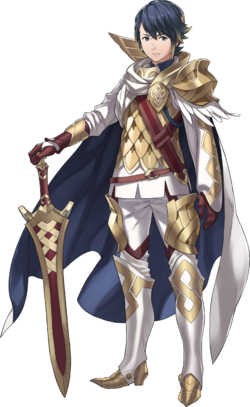
I feel like the designers assumed that if they gave her some sort of lacey panties they felt like they’d get in trouble – so they instead gave her white hotpants so tight there’s cameltoe…. ‘cause that’s better.
And destroyable armor should, of course, be destroyed.
– wincenworks