Am I the only one who’s getting sick of the excuse of “That’s how the artists want to draw, so stop telling them what to do!” excuse when it comes to terrible bikini battle armour? It’s like these people expect all designs to be nothing down to personal preference, and yet never think about the bigger picture of just how many male artists are part of our culture that influence these decisions? Seriously, it’s a poor execuse and I’m sick of hearing ut.

bikiniarmorbattledamage:

We’re definitely with you there, friend! That’s why there’s the “art shouldn’t be censored!” rhetoric bingo square: cause “creative freedom” should not be a Get Out of Jail Free card of character design.
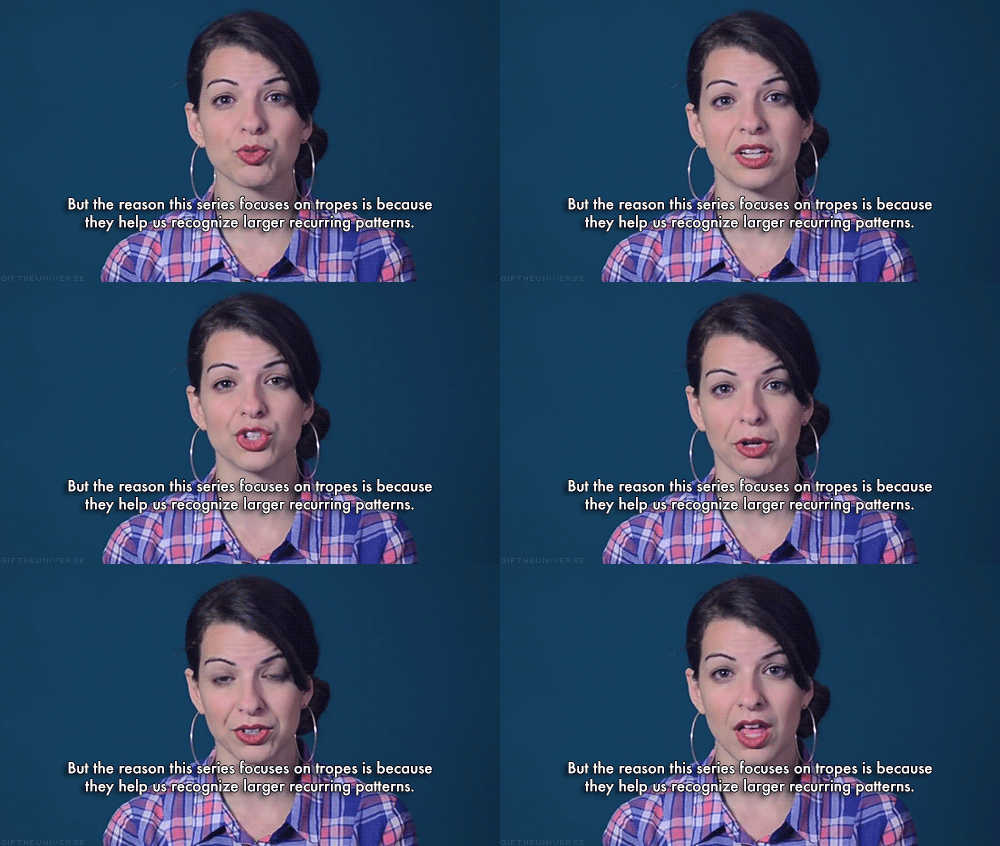
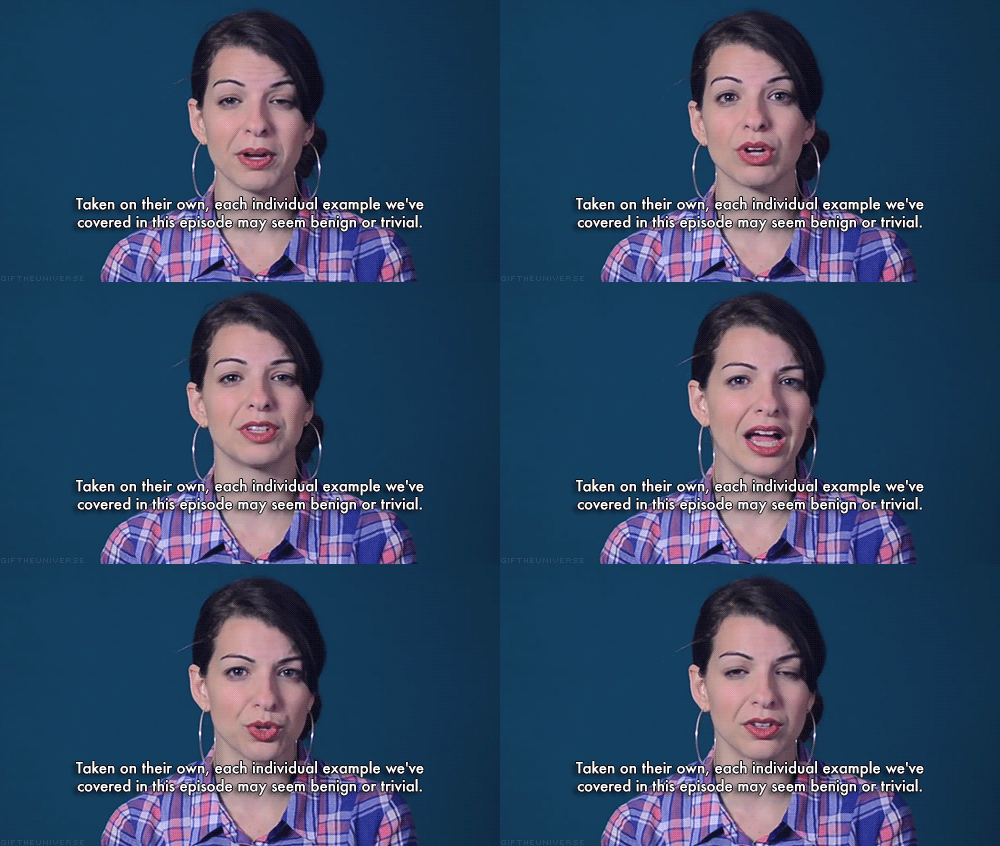
As femfreq puts it:

imageimage

Yup, it’s all about the big picture of our media, not individual examples. Crying “artistic freedom” (or “stylization”, for that matter) to justify questionable design ignores seeking for the reason artist decided to make such choices.

Publishing this ask cause those points need to be iterated more.

~Ozzie

The other important thing that people should remember is that commercial art (such as covers, character designs, 3d models in games, etc) is not intended to be a purely artistic experience – it’s a product for consumption.

Artists will have to follow briefs that tell them kind of mood to give the work, what characters to put in it, what themes to put in – unlikely that an art director adding “Don’t put the female characters in ridiculous and hyper-sexualized costumes” would somehow break a professional artist’s will to create.

– wincenworks

Given this worrying trend of comic artists who helped create the 90s comic crash announcing they know what’s best for comics, I think it’s worth bringing this back for Throwback Thursday.

Today the 90s comic book is over and you need more than an “X” in your title to get record sales, but artists now have a big advantage: They can share bits of upcoming comics via the Internet the moment they get approval from the company.

That means they can also get immediate and direct feedback from the target audience who are not so concerned about ways to inflate sales figures as getting good comics.  No more getting a summary from someone who got a summary from the guy who got summaries of the fan mail from the interns.

So if, y’know as a purely theoretical thought experiment, you are a cover artist for a major comic company and the audience they’re building for it doesn’t fit the theme, the classy and professional thing to do is respect the audience and the work, like

Rafael Abuquerque did.

The way to confirm that you really care about business, your audience or professionalism is to well ridicule audience concerns or complain that nowdays creators (rather than interns) actually hear from their audiences.

Make good comics. Make good games. Make good stuff.  That way you will enjoy it when you see the audience reaction.

– wincenworks

thenightmarerider:

Am I the only one who’s getting sick of the excuse of “That’s how the artists want to draw, so stop telling them what to do!” excuse when it comes to terrible bikini battle armour? It’s like these people expect all designs to be nothing down to personal preference, and yet never think about the bigger picture of just how many male artists are part of our culture that influence these decisions? Seriously, it’s a poor execuse and I’m sick of hearing ut.

bikiniarmorbattledamage:

We’re definitely with you there, friend! That’s why there’s the “art shouldn’t be censored!” rhetoric bingo square: cause “creative freedom” should not be a Get Out of Jail Free card of character design.
As femfreq puts it:

imageimage

Yup, it’s all about the big picture of our media, not individual examples. Crying “artistic freedom” (or “stylization”, for that matter) to justify questionable design ignores seeking for the reason artist decided to make such choices.

Publishing this ask cause those points need to be iterated more.

~Ozzie

The other important thing that people should remember is that commercial art (such as covers, character designs, 3d models in games, etc) is not intended to be a purely artistic experience – it’s a product for consumption.

Artists will have to follow briefs that tell them kind of mood to give the work, what characters to put in it, what themes to put in – unlikely that an art director adding “Don’t put the female characters in ridiculous and hyper-sexualized costumes” would somehow break a professional artist’s will to create.

– wincenworks

Given this worrying trend of comic artists who helped create the 90s comic crash announcing they know what’s best for comics, I think it’s worth bringing this back for Throwback Thursday.

Today the 90s comic book is over and you need more than an “X” in your title to get record sales, but artists now have a big advantage: They can share bits of upcoming comics via the Internet the moment they get approval from the company.

That means they can also get immediate and direct feedback from the target audience who are not so concerned about ways to inflate sales figures as getting good comics.  No more getting a summary from someone who got a summary from the guy who got summaries of the fan mail from the interns.

So if, y’know as a purely theoretical thought experiment, you are a cover artist for a major comic company and the audience they’re building for it doesn’t fit the theme, the classy and professional thing to do is respect the audience and the work, like

Rafael Abuquerque did.

The way to confirm that you really care about business, your audience or professionalism is to well ridicule audience concerns or complain that nowdays creators (rather than interns) actually hear from their audiences.

Make good comics. Make good games. Make good stuff.  That way you will enjoy it when you see the audience reaction.

– wincenworks
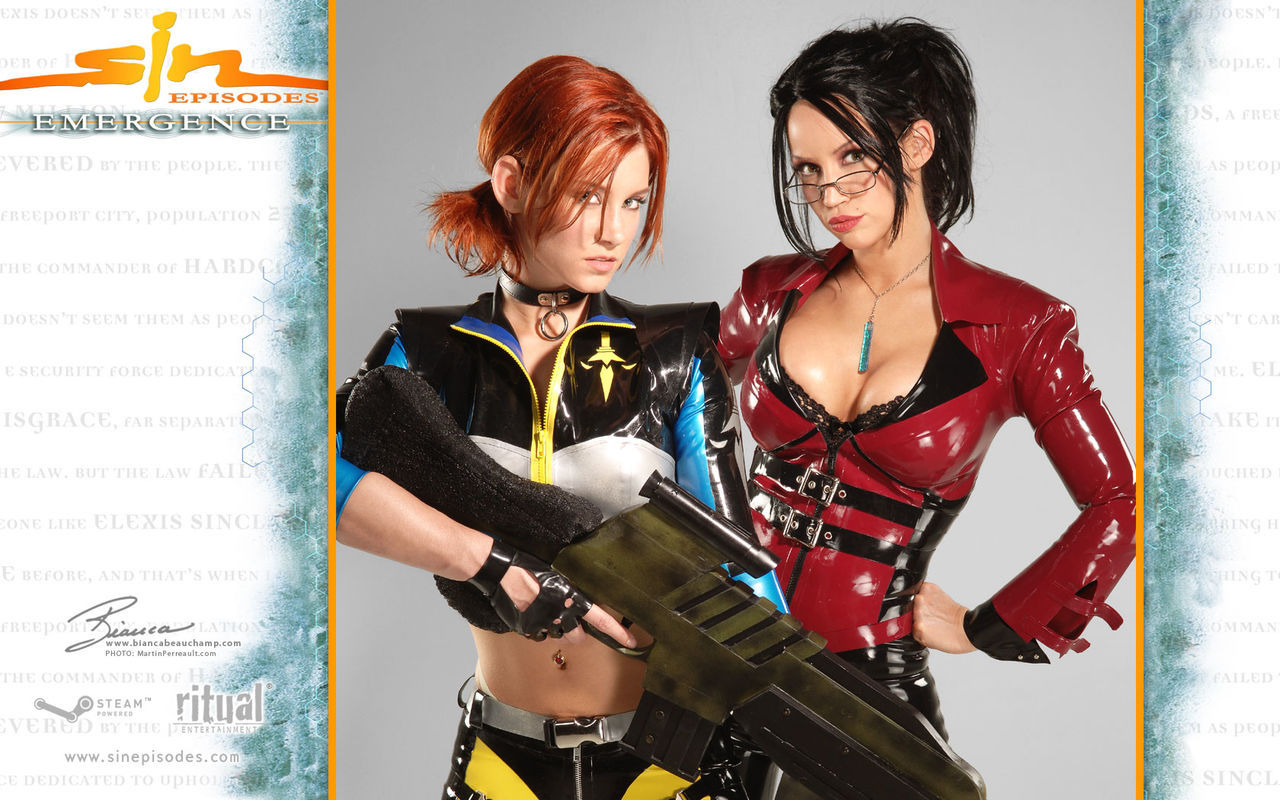
Ritual Entertainment’s SiN is a franchise that truly went all out on the sex sells approach.  The even went as far to hire fetish model Bianca Beauchamp to cosplay as the iconic villainess Elexis Sinclair from the first game and be a booth babe at E3.* They also hired her for modeling reference**, motion capture and extra publicity shoots.

This was all to promote for their nine part SiN Episodes series that stopped mysteriously after part one.

Could it be that sex doesn’t sell!? Is this possible!?

* I love this video because it showcases one of the drawbacks of this approach – the interviewer is clearly more interested in asking Bianca about herself rather than this game she’s there to promote.

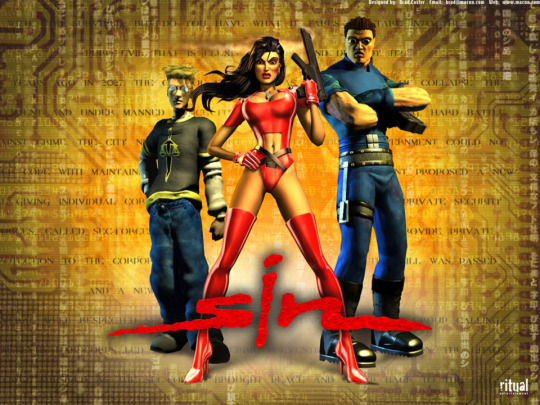
** Why yes, they did remodel the iconic villainess to look more like Bianca Beauchamp and it was actually an improvement on her original look:

image

– wincenworks

Revamped Batgirl Was Only Supposed to Last Six Issues – IGN

Revamped Batgirl Was Only Supposed to Last Six Issues – IGN

Revamped Batgirl Was Only Supposed to Last Six Issues – IGN

Revamped Batgirl Was Only Supposed to Last Six Issues – IGN

(If you are clicking the link at IGN to the original article at Bleedin Cool please be aware they are currently being sponsored by Crossed – an ultra violent comic and that the promotions contain gorey/disturbing material)

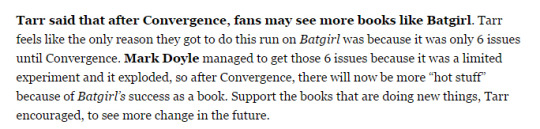
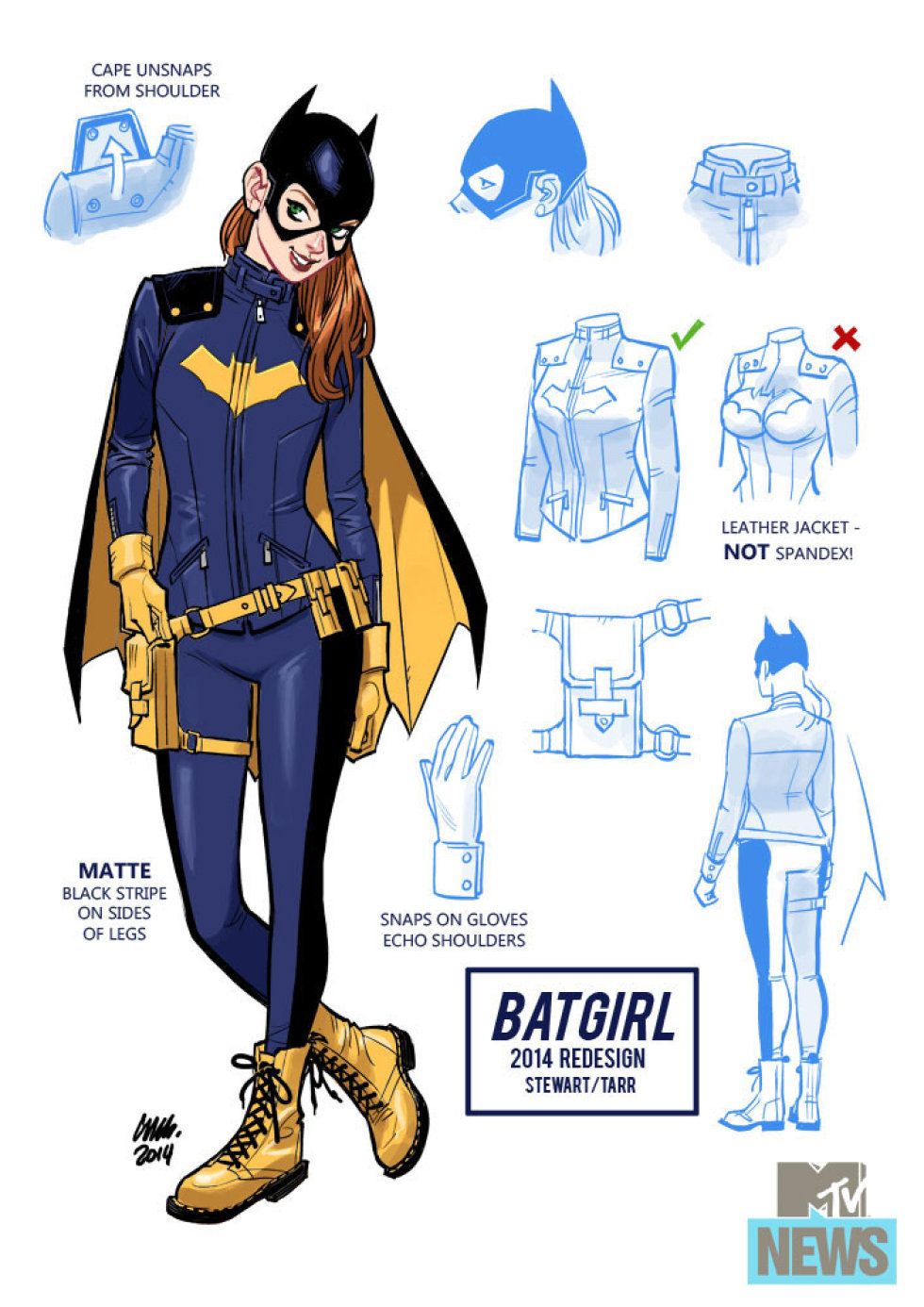
Batgirl artist Babs Tarr stated at a panel that the new look Batgirl we loved was originally not expected to be a long term re-design but…

image

How could anyone doubt this?

image

Oh yeah.

– wincenworks

More on Batgirl | More on Comic Books 

Liefeld Calls for Stand Against Artists Being “Crucified” in Wake of Frank Cho Spider-Gwen Controversy; Campbell, Chin, Other Pros Respond

Liefeld Calls for Stand Against Artists Being “Crucified” in Wake of Frank Cho Spider-Gwen Controversy; Campbell, Chin, Other Pros Respond

Liefeld Calls for Stand Against Artists Being “Crucified” in Wake of Frank Cho Spider-Gwen Controversy; Campbell, Chin, Other Pros Respond

Liefeld Calls for Stand Against Artists Being “Crucified” in Wake of Frank Cho Spider-Gwen Controversy; Campbell, Chin, Other Pros Respond

Rob Liefeld is shocked and outraged that apparently there are people who will openly speak out against the casual objectification of women in media (particularly the Frank Cho “parody” of the infamous Milo Manara Spider Woman cover).  Naturally, the totally unbiased fellow artist J Scott Campbell is right behind him!

Rob, you remember your most celebrated contribution to comics is a guy right? One who is celebrated for his personality over his aesthetic design. Your opinion is actually less relevant than Erik Larsen’s (who at least still works on his property). Seriously Rob, you’re not exactly celebrated as an artist and trying to value artists by “commercial success” is not exactly high brow.

Please brodudes, tell me again how there is no problem here and we’re just reading way too much into things and there’s never been misogynistic attitudes being perpetuated by big names in the industries.  Tell me how it’s about the artistry. I am fascinated by this enlightening view, verily.

image

– wincenworks